A small-business website does not need dozens of pages. It needs the right pages, each with a clear purpose and a useful next step for visitors. Whether someone wants to understand your services, check your credibility, or get in touch, your site should help them find answers without guesswork. Start with a focused set of core pages, then add others when customers need more detail. Keep the content specific, easy to scan, and consistent across the site.
Start with the essentials
Your homepage should quickly explain what your business does, who it serves, and where it operates if location matters. Use a clear headline, a short description of your main offer, and a prominent link or button to the most useful next step. That might be viewing services, booking a consultation, or shopping. Avoid making visitors scroll through a long company history before they can tell whether you can help.
An About page should make your business feel credible and approachable. Explain why you do the work, what experience or approach sets you apart, and who customers will work with. Share relevant details rather than broad claims. A professional photo, credentials, or a brief account of how you serve clients can help visitors assess fit. End with a natural next step, such as exploring your services or contacting you.
Explain your services clearly
A Services page should describe what customers can actually hire you to do. Organize offerings with descriptive headings, plain-language explanations, and details about who each service is for. Clarify what a customer receives, how the process generally works, and any important limits or requirements. If you offer several distinct services, give each one its own page when visitors need more room to understand the options.
Help people decide what to do next by connecting each service description to a relevant action. A visitor who is ready may want to request an estimate or schedule a call; someone still comparing options may prefer to read a related example or frequently asked question. Use specific button labels instead of vague wording such as “Click here.” Keep the action easy to find without making the page feel pushy.
Build confidence and answer questions
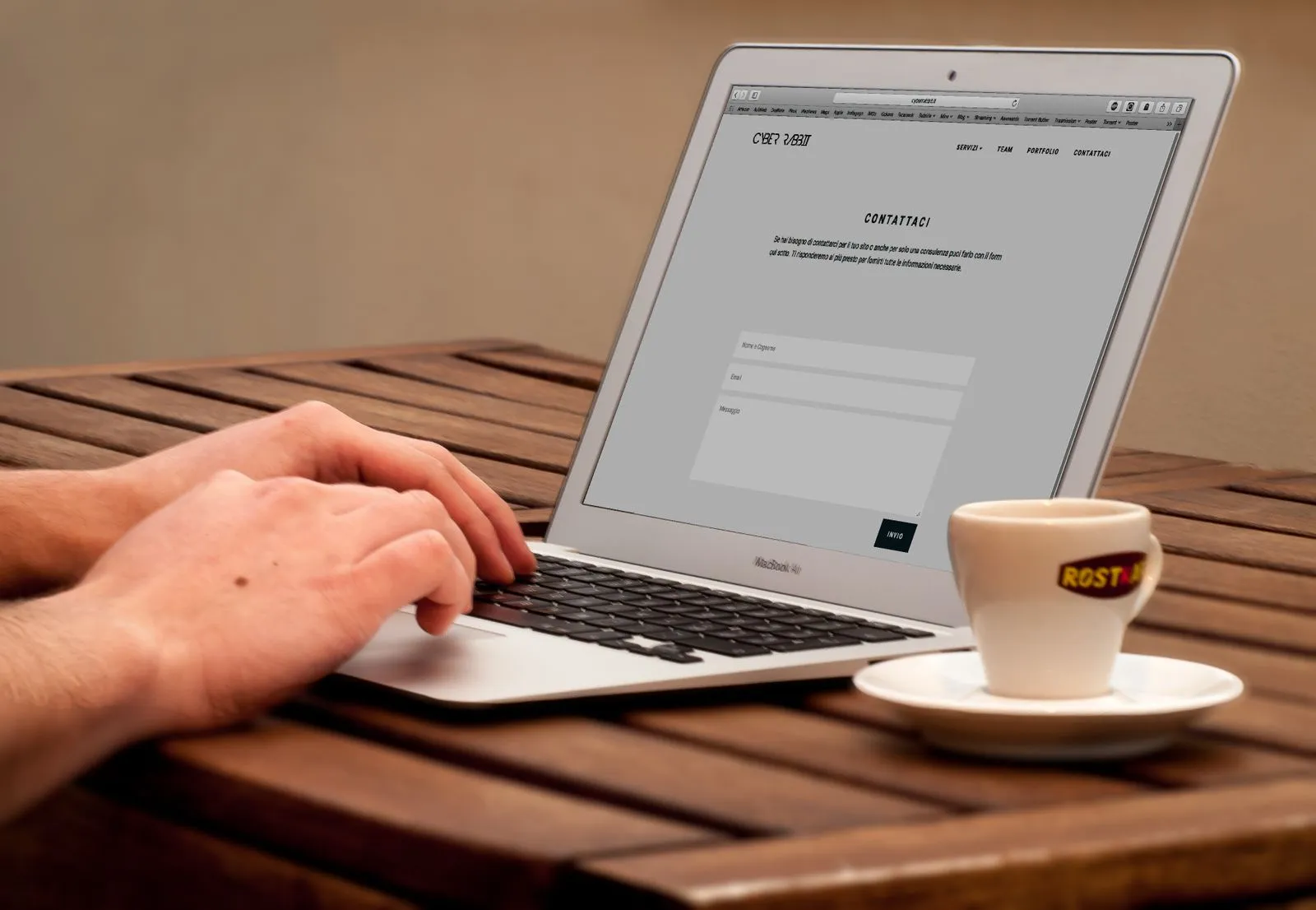
A Contact page should show the practical ways to reach you and what happens after someone gets in touch. Include the channels you actively monitor, your service area if relevant, and business hours when they affect availability. If you use a form, ask only for details needed to respond. Add a brief note about your usual response process only if you can reliably follow through.
Customer reviews, case examples, and frequently asked questions can address concerns before a visitor contacts you. Place useful proof near the relevant service, and get permission before publishing customer names, images, or project details. An FAQ page works best when it answers real questions about timing, preparation, service boundaries, or next steps. Avoid filling it with questions that repeat information already stated clearly elsewhere.
Make every page easy to use
Use a consistent menu with familiar labels, and make sure every core page is reachable from it. Write headings that describe the content beneath them. Break long explanations into short sections and use links to guide visitors to related information. Check the site on a phone as well as a computer: text should be readable, buttons should be easy to tap, and contact details should not be difficult to find.
Give each page one primary action that matches the visitor’s likely intent. A service page might invite a consultation, while an About page might point to the team’s work or contact details. Make links descriptive and avoid sending visitors to dead ends. Review the pages periodically, update outdated details, and test forms and phone links so the route from interest to action still works.
A strong small-business website begins with a homepage, About page, service information, and a clear way to get in touch. Add supporting pages when they answer a real customer question, and give each page a useful next step. Review your site from a first-time visitor’s perspective, then refine any parts that make it hard to understand what to do. A copywriter can help clarify your message and page structure.