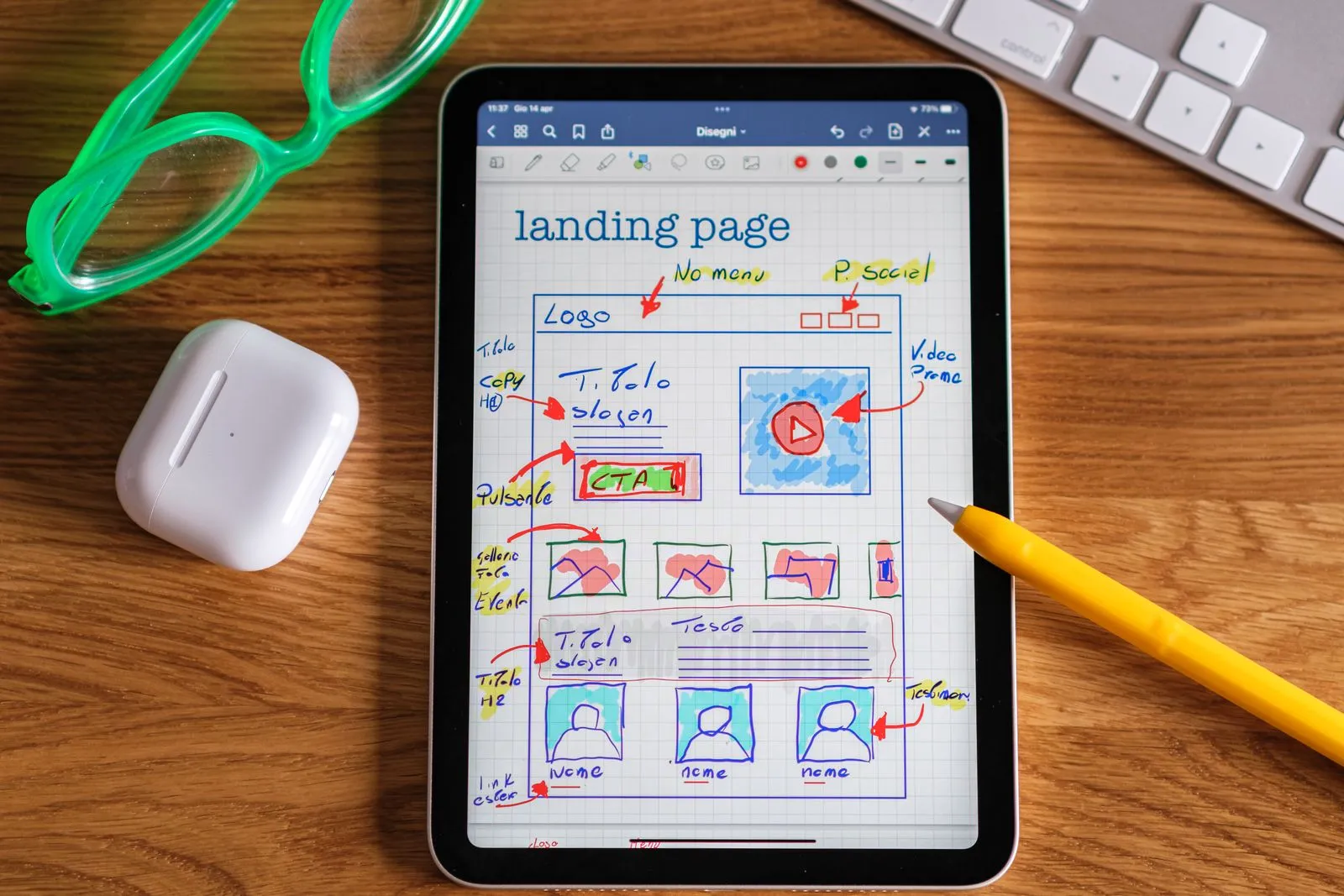
When time is limited, deciding between website copy and blog content can feel like a choice between explaining your business and attracting new visitors. Start by asking what your audience needs to do next. If people cannot quickly understand your offer or how to contact you, improve the core pages first. If your website already answers those questions but your audience needs useful guidance, blog content may be the better next step. Your current site and business goals can make the decision clear.
Start with customer questions
Write down the questions people ask before they hire you or buy from you. Questions about what you offer, who it serves, how the process works, and what to do next usually belong on core website pages. Clear answers help visitors decide whether your business fits their needs.
Questions that call for explanation, comparison, or ongoing advice often suit blog posts. For example, a service page can describe what a service includes, while a post can help readers decide when that service might be useful. Choose the format that gives each question enough room without making visitors search for basic information.
Check your website for gaps
Review your homepage, service pages, about page, and contact page as if you were a first-time visitor. Can you tell what the business does, who it helps, and how to take the next step? Look for vague descriptions, missing service details, outdated information, and calls to action that are hard to find.
Prioritize website copy when these gaps make it difficult for visitors to understand or act. A blog cannot compensate for a confusing service page or a missing contact path. Fix the pages that support a customer’s decision first, then use blog content to answer deeper questions and bring useful information to your audience.
Match content to your goal
If your immediate goal is to generate inquiries or sales, focus on the pages visitors need before they reach out. Make your offer specific, explain the next steps, and include a clear way to contact you. Keep the language centered on what customers need to know rather than what your business wants to say about itself.
If your core pages already work and you want to build awareness or demonstrate expertise, plan blog posts around relevant customer questions. Each post should have a clear purpose, such as explaining a process or helping readers weigh options. Link readers to a related service page when it naturally supports the topic.
Choose a practical first draft
Use a simple test: identify the most important customer action, then check whether the website explains how to take it. If not, draft or revise the page that supports that action. If the path is clear, choose a blog topic based on a question your audience asks repeatedly and provide a complete, practical answer.
You do not need to produce a large batch of content at once. Improve one high-priority page or publish one focused article, then review whether it addresses the original gap. Keep a running list of customer questions and website issues so your next content decision comes from real needs, not guesswork.
Write website copy first when visitors lack the information or direction needed to choose your business. Choose blog content when your core pages are clear and customers need useful guidance beyond them. Review your audience’s questions, your business goal, and your site’s gaps before committing to a draft. If you would like help choosing a starting point, Nashville Wordcraft can help you plan your next piece.